

As women get older, they often hear the four most pressuring words: “The clock is ticking.”
When that thought lingers in the background, it can be difficult to know whether you’re ready for parenthood or if the timing is right.
The truth is, you don’t have to decide right now. You can wait until you’re ready.
For many people, family planning isn’t a simple timeline. Careers evolve, goals and relationships change, health priorities shift, and timelines rarely unfold as planned or expected. In these moments, egg freezing can offer flexibility to preserve fertility and keep options open in the future, all while life continues forward at its own pace.
Egg freezing is often taken as a proactive step that gives individuals more time, options, and control over their future family-planning decisions. Some women are early in their fertility journey, simply exploring what’s possible, or are still unsure whether they’d like to start a family. While others are further down the line in their fertility journey, but simply haven’t found the right partner yet.
Regardless of the reason, understanding the details of egg freezing can help you make informed choices that feel right for you.
What Is Egg Freezing?

Egg freezing (oocyte cryopreservation) is a fertility preservation technique that extracts a woman’s eggs and then freezes and stores them. This process gives women greater autonomy over their reproductive decisions.
Unlike embryo freezing, which requires fertilization with sperm before freezing, egg freezing preserves only unfertilized eggs. This allows women (single or with a partner) time to pause decisions about fertility, IVF, or family-building until they feel ready.
While egg freezing doesn’t guarantee a future pregnancy, it does preserve the potential of eggs at the age they were frozen, which can be an important factor in fertility planning.
Who’s a Good Candidate for the Egg Freezing Process?

The egg freezing procedure is ideal for any woman who would like to take the pressure off their “biological clock.” And while this procedure doesn’t need a single reason nor is it a one-size-fits-all, here are some common reasons women decide to freeze their eggs:
- Focusing on career, education, or personal goals for the foreseeable future.
- Cancer requiring chemotherapy and/or pelvic radiation therapy that may affect their fertility.
- Family history of early menopause.
- Medical treatments or surgeries that can cause damage to their ovaries.
- Not yet finding the right partner or juggling the option of becoming a single mother and using donor sperm.
- Genetic mutations or chromosomal abnormalities that may affect ovarian failure or the complete removal of their ovaries.
- Wanting flexibility in IVF planning later on in life.
Women also wonder whether there’s an egg freezing age limit. It’s been shown that women who freeze their eggs before age 40 are more likely to become pregnant with those eggs later. While freezing eggs after age 40 isn’t recommended, it’s important not to get discouraged. Tests can be done on a case-by-case basis to determine if it’s the right fit for you.
Choosing to undergo an egg freezing procedure doesn’t mean you know exactly what the future holds. In fact, it means you’re simply creating options for yourself that remove the pressure of deciding everything now.
Egg Freezing Benefits

Egg freezing offers several potential benefits for those considering fertility preservation. The impact often goes beyond medical reasoning.
For many women, the decision to pursue egg freezing comes during a season of uncertainty. You may be building your career, healing from a breakup, managing a health diagnosis, or simply not feeling ready yet.
There can be pressure from family, quiet comparison to friends, or a lingering question in the back of your mind about timing. Choosing egg freezing can feel both empowering and vulnerable at the same time.
At its core, egg freezing is always more than just biology; it’s about breathing room.
Some of the key benefits of egg freezing include:
- Preserving eggs at a younger biological age, which may support future fertility outcomes
- Reducing pressure around immediate family planning decisions
- Supporting long-term IVF planning if conception assistance is needed later
- Providing emotional reassurance during transitional life phases
- Allowing space to focus on health, career, relationships, or personal growth without feeling rushed
For many, the greatest benefit of egg freezing is the flexibility and autonomy it offers. It’s the relief of knowing you’ve taken a proactive step to protect your future options, even if you’re not ready to define them yet.
But relief doesn’t always erase fear. When you don’t know what to expect, even a hopeful decision can feel intimidating. Walking through the process step by step can make it feel far more manageable.
What to Expect in the Egg Freezing Procedure
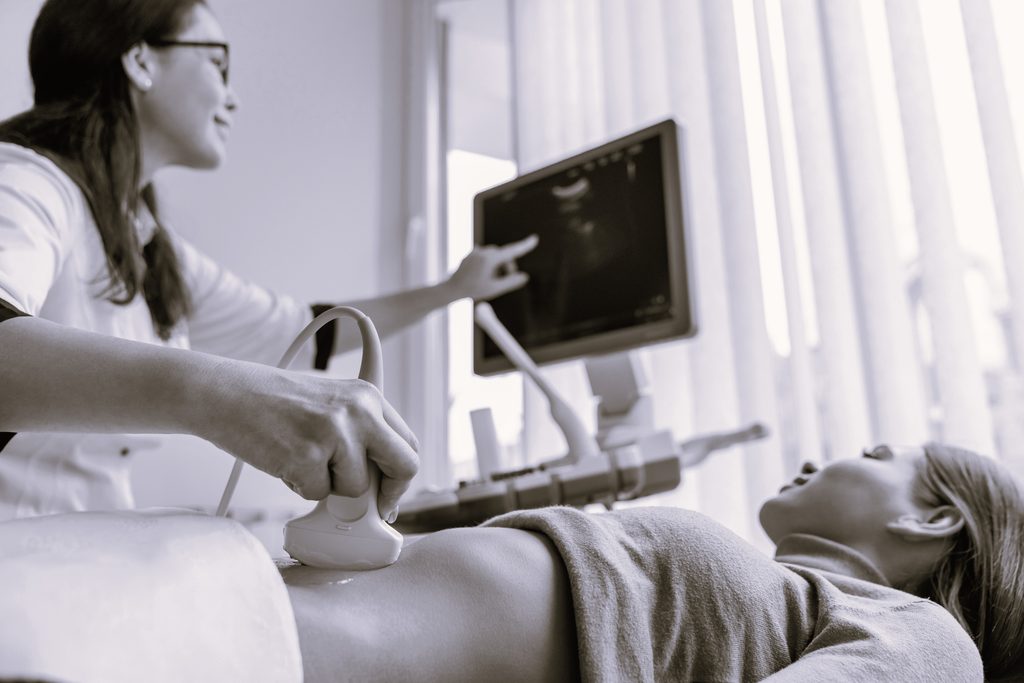
Choosing egg freezing isn’t always a simple or easy decision. You may feel conflicted, empowered, overwhelmed, or all three at once. Understanding the egg freezing process can ease some of that emotional weight and help you move forward with clarity and confidence.
The egg freezing procedure usually involves:
- Step 1: The initial consultation and testing
You’ll have hormone testing, ultrasounds, and health screenings to assess ovarian reserve and guide your treatment.
- Step 2: Ovarian stimulation
You’ll take hormone medications to stimulate your ovaries to produce multiple eggs in one cycle.
- Step 3: Egg retrieval
A minimally invasive procedure will be performed under sedation to collect mature eggs.
- Step 4: Freezing and storage
Your eggs are frozen using vitrification and stored at a fertility clinic or cryobank.
In some cases, frozen eggs may later need to be transported between clinics if fertility plans change or treatment continues in a different location.
The egg freezing process timeline usually spans two to three weeks from the start of the medications to retrieval, though timelines may vary slightly between individuals. While the timeline itself is relatively short, this decision carries long-term considerations that are crucial to understand before moving forward.
Egg Freezing Cost, Risks, and Financial Planning

While egg freezing can be empowering and helpful, it’s essential to understand its limitations and practical considerations. Once you know all aspects of the procedure, such as costs, limitations, and considerations, it’s easier to make a confident decision.
Here are some things to consider when contemplating egg freezing:
Age and Egg Quality
As women get older, egg quality and quantity naturally decline. Eggs frozen at a younger age are more likely to survive thawing and produce healthy embryos later.
Number of Eggs Retrieved
Not every egg will survive thawing, fertilize successfully, or develop into a viable embryo. Because of this, fertility specialists often recommend freezing approximately 10-20 mature eggs to improve the likelihood of future success. For some women, this can happen in one cycle, while others may need more than one retrieval.
Egg Freezing Cost And Financial Planning
Egg freezing costs are often one of the biggest deciding factors, as they are typically a few thousand dollars per round. The overall egg freezing cost typically includes:
- Initial consultations and testing
- Ovarian stimulation medications
- The egg retrieval procedure
- Annual storage fees
- Future IVF costs if eggs are used
For many women, the financial investment can feel overwhelming. But it’s essential to review your insurance plan and employer benefits, as some employers offer fertility benefits, and certain insurance plans can provide partial coverage. Clinics also usually provide payment plans or financial options to make the process feel more manageable.
Emotional and Psychological Impact
While egg freezing is a medical procedure, it’s also a deeply personal experience.
You might feel empowered to take control of your future and still feel a twinge of sadness that you have to think about your fertility this way. You might feel hopeful while still feeling a heaviness in your heart that life isn’t unfolding naturally or the way you envisioned.
Hormone stimulation during the egg freezing process can also temporarily affect your mood. This can surface deeper feelings about relationships, timing, and life plans.
Having a strong support system, whether it’s a partner, best friend, therapist, or fertility counselor, can make a meaningful difference. You don’t have to navigate this decision alone.
Side Effects of Egg Freezing
Physically, the side effects of egg freezing are usually temporary and manageable. Discussing risks, expectations, and costs with a fertility specialist is an essential step in determining whether egg freezing aligns with your goals. Potential side effects may include:
- Bloating or abdominal discomfort
- Mood shifts during hormone injections
- Some cramping after retrieval
- Fatigue
Your fertility team will closely monitor you throughout the egg freezing procedure to ensure your safety and comfort. Most women return to normal routines within a few days after retrieval.
What Happens After Egg Freezing

Once your eggs are frozen, they’re stored safely for months or years, depending on how long you’d like them frozen. In some cases, fertility journeys shift. Over time, individuals may:
- Move to a new city or country
- Change fertility clinics
- Transition eggs from egg freezing to IVF
- Seek specialized care or surrogacy
When plans evolve, you don’t have to worry or feel overwhelmed. Your frozen eggs may need to be moved, and that’s okay. But preserving their safety during that transition is critical.
How to Protect Your Eggs During Fertility Plan Changes
Frozen eggs are incredibly delicate. We understand how precious that cargo is to you. Your egg freezing process wasn’t a simple one, and you dedicated a lot of emotions, time, and money to retrieve those eggs for your future family.
Fertility preservation doesn’t end with freezing. It also includes ensuring your eggs remain protected whenever plans change, and they need to be moved. Careful coordination and expertise are essential to maintaining the integrity of your eggs during any transfer.
The role of cryogenic transport is vital to help you achieve your dream of growing your family.
Cryogenic Transport’s Role in Egg Freezing Journeys
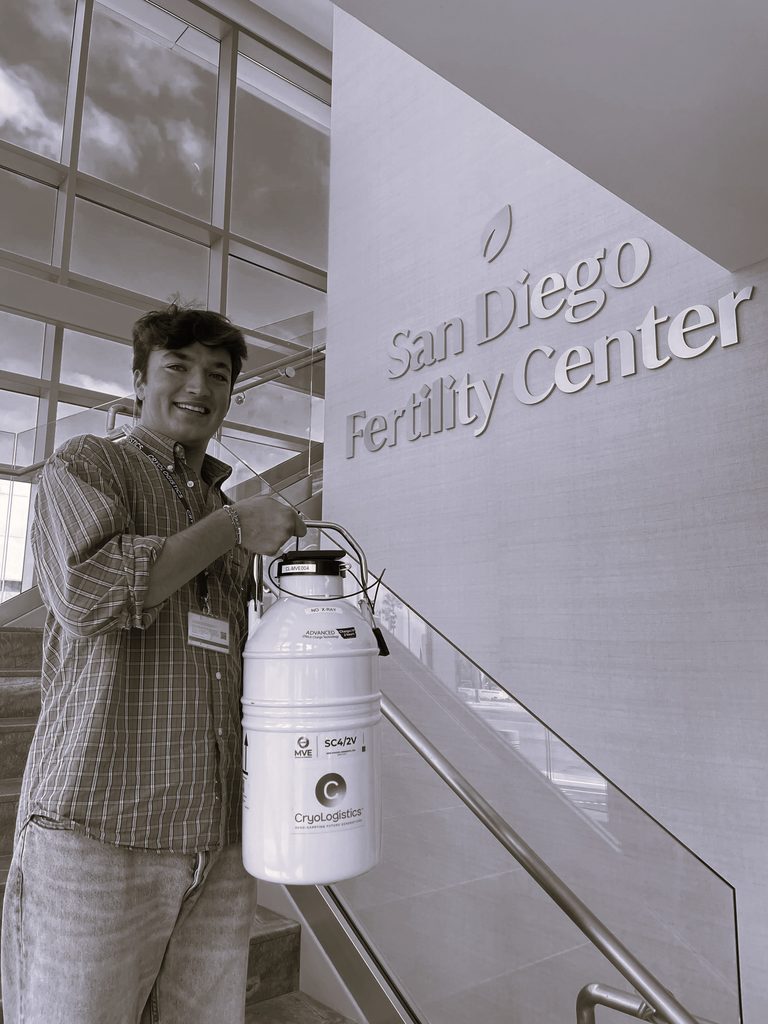
Cryogenic transport allows frozen eggs to be moved between clinics while maintaining the temperatures required to preserve them throughout the journey. For individuals navigating egg freezing as part of IVF planning or long-term fertility preservation, professional cryogenic transport from CryoLogistics supports:
- Clinic transitions, including relocation or international care
- Treatment pauses without compromising future options
- Dedicated hand-carry courier supervision
- Continuous temperature protection at −196°C (−321°F)
- Protection from X-ray exposure during transit
- Direct clinic-to-clinic coordination
- Real-time updates throughout the journey
- Fast, reliable timing to meet your treatment schedule
Cryogenic transport is about safeguarding your options and ensuring the precious cargo you’ve worked so hard for is preserved as your fertility plans change.
Protect Your Choice, No Matter What

At CryoLogistics, we understand the emotional weight behind fertility preservation decisions. With hundreds of successful hand-carried transports across 70 countries, we’re committed to protecting what matters most: your future options, handled with care every step of the way.
So, if you’re freezing your eggs today or planning for possibilities years from now, know that continuity, protection, and peace of mind should always travel with you.
Learn more about CryoLogistics cryogenic transport services or fill out this form to connect with one of our dedicated team members to request a personalized quote and explore your options.
*Updated February 2026. Some information may have changed since this date.*
Paragraph
We’re continuously expanding to new countries and reaching more families every day, fulfilling our mission of ensuring no geographical boundary stands in the way of your dreams.
